Why Oats Turn Creamy When You Give Them Time
Why oats turn creamy with time: learn how steady heat and gentle stirring release starch for a fuller bowl, using only oats, liquid and patience.
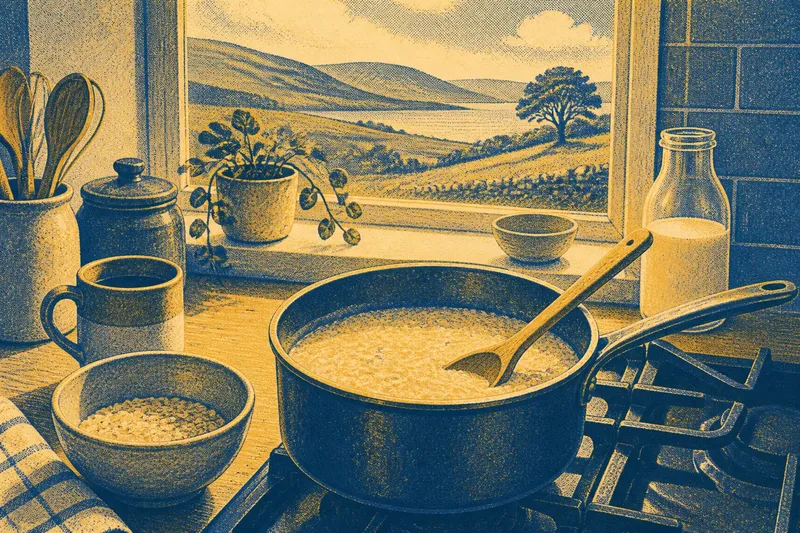
The kettle has clicked off, the kitchen is still cool, and the oats in your saucepan look more like floating flakes than breakfast. Give them a steady, unhurried simmer and a stir now and then: gradually, starch moves into the liquid, and the bowl thickens without cream, sugar or another ingredient. Understanding why oats turn creamy with time makes it easier to choose the right heat and know when to stop.
What makes oats creamy
Oats contain starch within their grain structure. As they absorb warm liquid and soften, some starch disperses into the surrounding water or milk. That suspended starch gives the liquid more body, so the porridge feels smoother and fuller on the spoon.
Heat and time work together. A strong boil may soften the outside quickly, but a calmer simmer gives the flakes time to take up liquid and release starch without the pan boiling over or catching as readily. Stirring helps move the oats through the liquid and distributes the thickening starch.
The result depends on the oats as well as the cooking. Rolled oats are flattened and cook relatively quickly; steel-cut oats are smaller pieces of the groat and need a longer, slower cook to soften. Instant oats break down readily and can turn thick fast, so use a lighter hand with the heat and stirring if you prefer more texture.
A patient morning routine
Think of porridge as a short kitchen routine rather than a race from cold pan to bowl. The exact timing varies with the oat cut, pan and hob, so watch the texture and follow the packet’s cooking directions where they apply.
- Before heating: Choose a saucepan with room for the liquid to bubble gently. Add oats and cold liquid, then stir once to wet the flakes evenly.
- As the pan warms: Use moderate heat and stay nearby. When small bubbles begin to appear, lower the heat so the surface simmers rather than surges.
- During the simmer: Stir across the bottom and round the sides every so often. If the mixture thickens before the oats soften, loosen it with a splash of liquid and continue gently.
- Near the end: Taste a flake. If its centre is still firm, give it more time; if it is tender and the liquid clings lightly to the spoon, take the pan off the heat.
- After cooking: Let the porridge stand briefly, then stir and check its consistency. It often thickens as it rests, so add a little liquid if you want it looser.
Say you are making rolled oats before work and the first spoonful seems thin. Instead of turning the hob up high, lower it and stir occasionally while you set out a bowl and spoon. The flakes can continue softening as starch thickens the liquid; if the pan becomes too dense, a splash of milk or water brings it back towards the texture you want.
Stirring without overdoing it
Stirring is useful, but constant whisking is not a requirement. A few deliberate strokes help prevent a settled layer from sticking to the base and bring the oats into contact with the liquid. Vigorous, continuous stirring can break the flakes down more than you intend, leaving a uniform, gluey texture instead of distinct soft pieces in a creamy base.
Use a wooden spoon or heatproof spatula and sweep the base, especially around the edges where porridge can catch. If you are using a thin-bottomed pan, keep the heat lower and check more often. A heavy-based saucepan tends to hold heat steadily, though it still needs attention.
Milk can scorch more readily than water, and mixtures containing both may need closer watching. Choose whichever liquid suits your taste, begin gently, and avoid leaving the pan unattended. If it sticks, do not scrape burnt material into the porridge; transfer the unburnt portion to a clean bowl.
Choosing the right texture
A creamy bowl does not have to be completely smooth. With rolled oats, a patient simmer can leave the flakes recognisable while making the liquid silky. Steel-cut oats usually retain more bite, even when their cooking liquid thickens. Instant oats tend towards a soft, close texture because their smaller pieces release starch quickly.
Liquid ratio is another adjustment. More liquid gives the oats room to soften and leaves a looser porridge; less liquid produces a thicker bowl, though it may need more frequent stirring to keep the base from catching. Rather than adding extra oats as soon as the pan looks thin, allow time for absorption and thickening first.
For a fuller mouthfeel without extra ingredients, the simplest choices are a suitable oat cut, a low simmer and enough patience for the flakes to soften. The word “fuller” is about texture, not added richness: oats and liquid remain the ingredients, while the starch changes how the liquid feels.
Common questions?
Why is my porridge still watery?
The oats may need more time to absorb liquid and soften, particularly if they are a coarser cut. Keep the pan at a gentle simmer and stir occasionally before deciding whether it needs more oats.
Why does porridge thicken after I switch off the heat?
The oats continue absorbing liquid as they stand, and the starch already dispersed in the pan keeps the mixture thick. Stir in a small splash of liquid if the rested porridge is firmer than you like.
Can I make creamy porridge without constant stirring?
Yes. Stir at intervals, making sure to sweep the base and sides, and keep the heat low enough that the mixture bubbles gently. A pan that catches easily will need more frequent attention.
Do all oats need the same cooking time?
No: rolled, steel-cut and instant oats have different sizes and processing, so they soften at different rates. Use the packet directions as a starting point, then judge by tenderness and the texture in your pan.
What is not worth doing
There is little benefit in chasing creaminess with a high flame or stirring every few seconds. Both can make breakfast harder to manage: the porridge may catch, boil over or lose the separate flake texture you wanted. Keep the heat calm, stir with purpose, and let the oats do their gradual work.
When you wonder why oats turn creamy with time, remember the useful sequence: warm liquid softens the grain, starch disperses, and a gentle simmer gives that starch time to thicken the bowl. Stay close enough to notice a sticking pan, but not so busy with the spoon that you break every flake apart. A final pause off the heat lets the texture settle before you decide whether it needs one last splash of liquid.